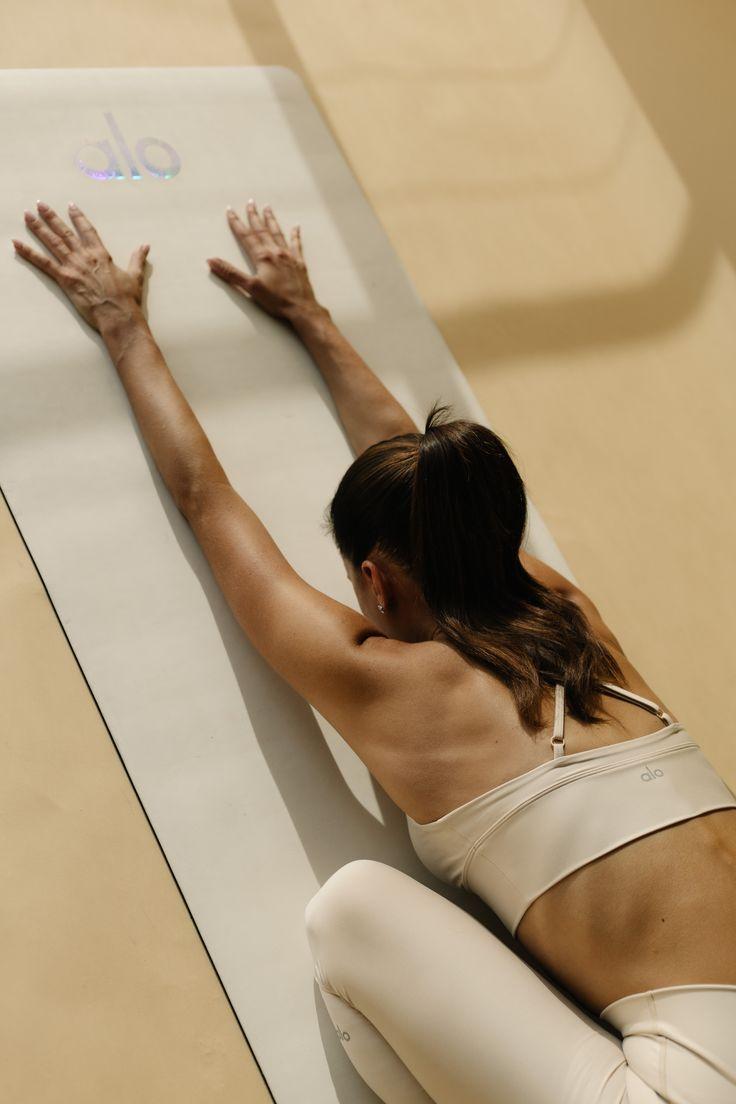
Urdhva Mukha Svanasana — Upward Facing Dog
Urdhva Mukha Svanasana is a prone backbend where the practitioner lifts the chest and thighs off the floor using the strength of the arms and back. It is a key pose in Sun Salutations and serves as a bridge between gentle and intermediate backbends.
Quick Overview
Urdhva Mukha Svanasana is a dynamic prone backbend that appears in nearly every Vinyasa and Sun Salutation sequence. Unlike Bhujangasana where the legs remain grounded, Upward Facing Dog lifts the thighs and knees off the floor, with the weight supported by the hands and the tops of the feet. This pose combines backbending with upper body strengthening, making it both a heart-opener and a strength-builder. It is typically practiced as part of the Surya Namaskar sequence, transitioning from Chaturanga to Downward Facing Dog.
Benefits of Urdhva Mukha Svanasana
Strengthens the Arms & Wrists
The body weight is supported entirely by the arms and wrists in this pose, building upper body strength over time.
Opens the Chest & Shoulders
The lift of the sternum and the straight-arm position stretch the pectoral muscles and anterior shoulders.
Improves Spinal Extension
The backbend action mobilizes the thoracic and lumbar spine, maintaining healthy spinal range of motion.
Strengthens the Back Muscles
The spinal extensors engage to lift and hold the chest, complementing the arm-supported lift.
Builds Heat & Energy
The active, lifting quality of Upward Facing Dog generates body heat and an energizing effect.
Body Focus
Weight-bearing strength developed through straight-arm support
Extension through the thoracic and lumbar regions
Deep stretch as the sternum lifts and the shoulders roll back
Strength and mobility developed through extended weight-bearing
Stretched as the thighs lift off the floor
Who Should Practice Urdhva Mukha Svanasana
Yoga Practitioners of All Levels
Upward Facing Dog is accessible to beginners while offering deepening potential for intermediate students through refined alignment.
Sun Salutation Practitioners
This pose is a key transition in Surya Namaskar — mastering it improves the flow and integrity of the entire sequence.
Those with Tight Shoulders
The chest-opening action directly stretches the anterior shoulders and pectoral muscles.
Practitioners Building Upper Body Strength
Regular practice of Upward Facing Dog develops arm, shoulder, and wrist strength that supports more advanced weight-bearing poses.
Who Should Avoid Urdhva Mukha Svanasana
Full weight on the wrists in an extended position may aggravate wrist conditions. Practice Bhujangasana or Sphinx Pose instead.
Straight-arm weight bearing may strain healing shoulder structures. Practice gentle Bhujangasana until strength returns.
The position of the head relative to the heart combined with the physical exertion may increase blood pressure.
Preparation Tips
Warm up the wrists with circles and gentle stretches before practicing this weight-bearing pose
Practice Bhujangasana first to warm up the spinal extension before adding the arm-supported lift
Press firmly through the bases of the index fingers to protect the wrist joints
Keep the shoulders drawn back and down away from the ears throughout the pose
Step-by-Step Instructions
Lie face down on the mat
Place the hands on the floor beside the lower ribs, fingers pointing forward. Extend the legs straight back with the tops of the feet on the floor.
Press the hands into the floor
On an inhale, press firmly through both hands and straighten the arms fully. Distribute the pressure evenly across the palms.
Lift the chest and thighs
As the arms straighten, lift the chest and thighs off the floor. Only the hands and the tops of the feet remain in contact with the mat.
Draw the shoulders back and down
Roll the shoulder blades toward each other and draw them down the back. Broaden the collarbones to open the chest.
Keep the legs active
Engage the quadriceps and glutes to keep the legs straight and active. The thighs should lift clearly off the floor.
Lengthen through the crown
Reach the crown of the head forward while the tailbone reaches back, creating length through the entire spine.
Hold and breathe
Stay for 3–5 breaths. To release, exhale and lower the body to the floor, or transition into Adho Mukha Svanasana.
Breathing Guidance
Inhale to lift into Upward Facing Dog, using the breath to power the upward movement. While holding, breathe deeply into the upper chest and back — the expanded rib cage position allows for full, three-dimensional breath. The pose is typically held for only a few breaths in a Vinyasa flow. If breathing becomes strained, check that you are not gripping the shoulders — relaxation in the upper body supports better breathing.
Common Mistakes
Bending the arms
Correction: The arms should be fully straight in Upward Facing Dog. Bent arms indicate insufficient shoulder mobility or arm strength — practice Bhujangasana to build up to the full pose.
Letting the hips drop toward the floor
Correction: The thighs should lift clearly off the floor. Engage the glutes and quadriceps to maintain the lift.
Shrugging the shoulders up to the ears
Correction: Draw the shoulders firmly away from the ears and back. The neck should feel long and relaxed.
Rotating the arms inward so the elbows face outward
Correction: Keep the elbows pointing back and hugging close to the sides, with the inner elbows facing forward.
Safety Precautions
Press firmly through the bases of the index fingers and distribute weight evenly across the palms. Avoid letting weight collapse into the outer wrists.
Keep a micro-bend in the elbows if you tend to hyperextend. The arms should be straight but not locked.
Avoid dropping the head back. The gaze should be forward or slightly upward with the neck as a natural extension of the spine.
Variations & Modifications
Bhujangasana (Cobra Pose)
BeginnerA gentler alternative with the legs and pelvis on the floor and the elbows bent — suitable when wrist or shoulder strength is limited.
Supported Upward Facing Dog
BeginnerPlace yoga blocks under the hands to elevate the foundation, reducing the degree of wrist extension needed.
Upward Facing Dog with Knees Down
BeginnerKeep the knees on the floor while lifting only the chest — reduces the arm and quadriceps demand while maintaining the backbend.
Related Asanas
Explore Related Categories
Frequently Asked Questions
इस विषय पर और जानें
महत्वपूर्ण विषयों पर वापस जाएं
Master Upward Facing Dog with Personal Guidance
Your first class is free. Talk to Gayatri and get personalized alignment cues for your practice.