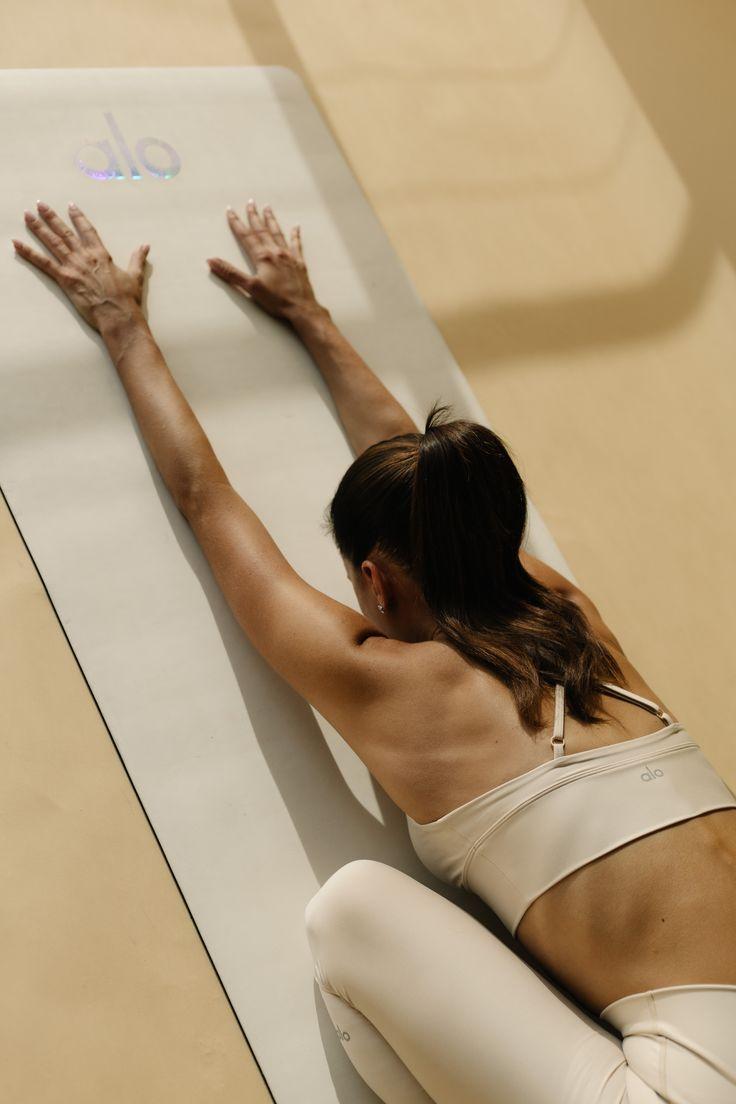
Mayurasana — Peacock Pose
Mayurasana is an advanced arm balance where the body balances horizontally on the forearms with the legs extended back. Unlike most arm balances that use the palms, Peacock Pose uses the forearms and elbows as the base, with the hands reversed and fingers pointing toward the feet.
Quick Overview
Mayurasana is a distinctive arm balance that differs from most others in its hand placement. The palms are placed on the ground with fingers pointing toward the feet, and the forearms are brought together so the elbows press into the abdomen. From this position, the practitioner extends the legs back and lifts the entire body off the ground, balancing horizontally on the forearms. The pose is named after the peacock (mayura) because the extended legs resemble the bird’s tail. In yogic tradition, Mayurasana is believed to stimulate the digestive organs through the compression of the forearms against the abdomen.
Benefits of Mayurasana
Strengthens the Arms & Shoulders
The entire body weight is supported by the forearms, wrists, and shoulders, building significant upper body strength.
Engages the Deep Core
Maintaining a horizontal body position requires powerful engagement of the entire core, including the transversus abdominis.
May Support Digestive Function
The compression of the forearms against the abdomen is traditionally believed to stimulate peristalsis and support digestive health.
Develops Balance & Coordination
The unique forearm-based balance trains the body to find equilibrium in an unfamiliar support structure.
Builds Wrist Mobility
The reversed hand position requires wrist flexibility in a unique direction, which can improve overall wrist range of motion.
Body Focus
Support the full body weight with the hands pointing toward the feet
Must engage intensely to prevent the hips and legs from dropping
Stabilise the upper body and maintain the horizontal position
Compressed by the elbows, traditionally linked to digestive stimulation
Extended and engaged to counterbalance the upper body
Who Should Practice Mayurasana
Advanced Yoga Practitioners
Mayurasana requires substantial arm, wrist, and core strength, making it suitable for those with an established advanced practice.
Practitioners Seeking New Arm Balance Challenges
The unique forearm support structure offers a fresh challenge for those proficient in hand-supported arm balances like Bakasana.
Students Interested in Digestive Health
The abdominal compression in Mayurasana is traditionally linked to digestive benefits, appealing to those exploring yoga for internal health.
Those with Good Wrist Mobility
The reversed hand position demands wrist flexibility; those with mobile wrists will find the pose more accessible.
Who Should Avoid Mayurasana
The unique weight-bearing position places stress on the wrists and elbows in ways that may aggravate existing injuries.
The compression of the forearms against the abdomen may be uncomfortable or harmful for those with digestive disorders, pregnancy, or recent abdominal surgery.
The horizontal balancing position requires stable shoulder joints. Those with a history of shoulder dislocations should proceed with caution.
Preparation Tips
Practise wrist stretches that include extension and flexion to prepare for the reversed hand position
Strengthen the core with Plank, Dolphin Pose, and Navasana before attempting the full lift
Start with the feet on the ground and practise leaning forward to feel the forearm support before attempting the lift
Place a blanket under the forearms for cushioning if the ground feels too hard
Step-by-Step Instructions
Kneel and place the palms on the mat
Kneel and place both palms on the mat with the fingers pointing toward your body (toward the knees). The hands should be slightly apart.
Bring the forearms together
Bring the forearms together so the inner elbows touch. The elbows will press into the abdomen, just below the navel.
Extend the legs back one at a time
Tuck the toes under and extend the legs back as if coming into a low Plank position. Keep the forearms in contact with the abdomen.
Walk the feet closer to the elbows
Walk the feet forward, bringing the hips higher and shifting more weight onto the forearms. The torso should be angled slightly downward.
Shift weight further forward
Lean the weight further forward until the feet feel light. Engage the core to prevent the hips from dropping.
Lift the feet off the ground
As the weight shifts past the balance point, the feet will naturally lift. Extend the legs straight back and engage the glutes.
Balance the body horizontally
The body should form a straight line from the crown of the head to the feet. Keep the gaze slightly forward of the hands.
Hold and release
Hold for 2–4 breaths, then lower the feet back to the ground. Shake out the wrists gently after releasing.
Breathing Guidance
The abdominal compression in Mayurasana naturally affects the breath, making it shallower. Accept this and focus on maintaining smooth, even breaths through the nose rather than deep inhalations. Inhale to prepare and lengthen, exhale to engage the core and lift. If you feel lightheaded or unable to breathe, release the pose and rest in Balasana (Child’s Pose) before attempting again.
Common Mistakes
Forearms sliding apart
Correction: Keep the forearms firmly together so the elbows press into the abdomen. Separating the forearms reduces stability and abdominal compression.
Dropping the hips
Correction: Engage the core and glutes to keep the body in a straight horizontal line. Dropping the hips puts unnecessary strain on the lower back.
Looking too far forward
Correction: Keep the gaze slightly forward of the hands, not too far ahead. Overextending the neck disrupts the horizontal alignment.
Not shifting weight enough
Correction: Like all arm balances, Mayurasana requires the weight to shift forward of the support base. Trust the forearm support and lean forward.
Safety Precautions
The deep abdominal compression is not suitable during pregnancy, recent abdominal surgery, or active digestive disorders.
The reversed hand position is demanding on the wrist joints. Include wrist mobility exercises before practising Mayurasana.
Use a yoga mat on a padded surface or place a folded blanket under the forearms when learning the pose.
Variations & Modifications
Supported Mayurasana with Blocks
AdvancedPlace blocks under the forearms to reduce the range of motion and make the balance more accessible.
Pincha Mayurasana (Forearm Stand)
AdvancedA vertical forearm balance that builds strength for Mayurasana while offering a more accessible forearm support experience.
Eka Pada Mayurasana (One-Legged Peacock)
AdvancedAn advanced variation where one leg extends upward while the other remains horizontal, demanding greater core control.
Related Asanas
Explore Related Categories
Frequently Asked Questions
इस विषय पर और जानें
इसे अन्य अभ्यासों के साथ जोड़ें
महत्वपूर्ण विषयों पर वापस जाएं
Master Peacock Pose with Personal Guidance
Your first class is free. Talk to Gayatri and get personalized alignment cues for your practice.