Sukhasana — Easy Pose
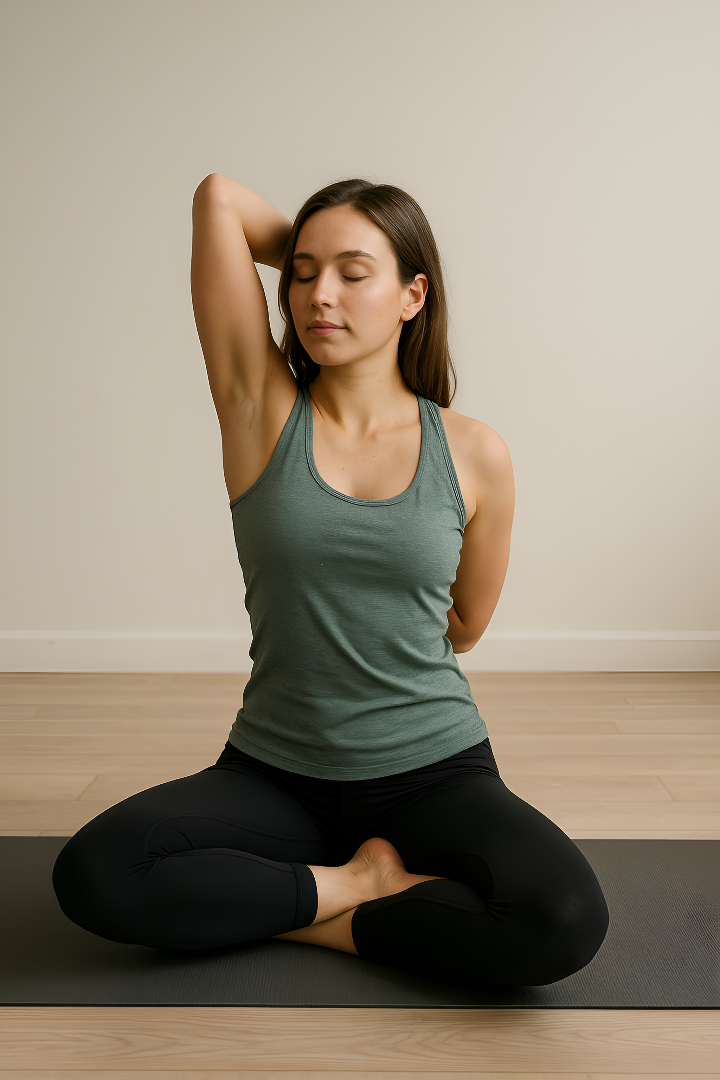
Sukhasana is the simplest cross-legged seated posture used for meditation and pranayama. It provides a stable, comfortable seat that allows the spine to lengthen and the mind to settle.
Quick Overview
Sukhasana is the foundational seated pose in yoga. The name comes from Sanskrit sukha meaning ease or comfort. It is the go-to posture for seated meditation, breathing exercises, and the beginning or end of asana practice. Though simple in appearance, achieving genuine comfort in Sukhasana requires hip mobility, spinal awareness, and proper support.
Benefits of Sukhasana
Promotes Relaxation
The comfortable seated position signals the nervous system to shift from stress response to rest and digest mode.
Improves Posture Awareness
Maintaining a lengthened spine while seated trains the body to find healthy alignment in everyday sitting.
Opens the Hips
The cross-legged position gently stretches the hip adductors and external rotators over time.
Prepares for Meditation
Sukhasana provides a stable foundation for sustained sitting, making it ideal for meditation and breathwork.
Reduces Physical Tension
With proper support, this pose releases tension in the lower back, shoulders, and neck.
Body Focus
Gentle opening stretch through the hip adductors and external rotators
Lengthened and aligned with the crown of the head lifting toward the ceiling
Relaxed and supported in a comfortable cross-legged position
Tilted slightly forward to maintain the natural lumbar curve
Relaxed and rolled back with the chin parallel to the floor
Who Should Practice Sukhasana
Meditation Practitioners
Sukhasana is the preferred seated posture for anyone beginning a meditation practice.
Yoga Beginners
The easiest seated pose to learn, making it accessible for new practitioners.
People with Tight Hips
Consistent practice gradually opens tight hip joints and improves seated comfort.
Anyone Needing Stress Relief
The calming nature of seated stillness supports nervous system regulation.
Who Should Avoid Sukhasana
The cross-legged position may stress healing joints. Sit on a chair or use props until recovered.
The position may aggravate SI joint pain. A chair seat or lying-down position may be better alternatives.
Sitting on the floor without support may strain the lower back. Always sit on a folded blanket or cushion.
Preparation Tips
Sit on a folded blanket or cushion to elevate the hips above the knees
Warm up the hips with gentle circles and butterfly stretches before sitting
Place a block or blanket under the knees for support if they do not reach the floor
Wear loose, comfortable clothing that does not restrict leg movement
Step-by-Step Instructions
Sit on your mat with legs extended forward
Begin in Dandasana (Staff Pose) with the spine lengthened and the feet flexed.
Cross your shins and place each foot under the opposite knee
Fold one leg in toward the body, then fold the other leg in front of it. The feet should rest on the floor under the opposite shins.
Sit up through the spine
Lengthen through the crown of the head. Imagine the spine stacking naturally from the pelvis to the neck.
Place the hands on the knees or lap
Rest the palms face down on the knees (Jñana Mudra) or face up in the lap (Dhyana Mudra), whichever feels more stable.
Soften the shoulders and relax the face
Roll the shoulders back and down. Relax the jaw, forehead, and eyes.
Breathe naturally and settle into stillness
Allow the breath to flow without force. Observe the natural rhythm of the inhale and exhale.
Hold for the desired duration
Stay for 1–5 minutes or longer. To release, gently unfurl the legs and shake them out before switching the cross.
Breathing Guidance
Breathe naturally and effortlessly in Sukhasana. Allow the breath to flow into the lower belly, expanding the abdomen on the inhale and softening on the exhale. The steady rhythm of the breath anchors the mind — if thoughts wander, gently return attention to the sensation of breathing.
Common Mistakes
Rounding the lower back
Correction: Sit on a higher cushion to elevate the hips above the knees, which allows the pelvis to tilt forward naturally.
Holding tension in the shoulders
Correction: Consciously roll the shoulders back and down at the start of the pose and periodically check for tension.
Sitting on a flat surface without support
Correction: Always use a cushion or folded blanket under the hips to maintain spinal alignment and reduce knee strain.
Forcing the knees to the floor
Correction: Allow the knees to rest at their natural height. Forcing them down can strain the hip and knee joints.
Safety Precautions
Sitting on a folded blanket or cushion prevents the pelvis from tucking under and protects the lower back.
If the knees feel painful, place supports under them or choose a chair seat instead.
Alternate which leg is in front in each practice to maintain balanced hip mobility.
Variations & Modifications
Supported Sukhasana
BeginnerSit on a bolster or several folded blankets to elevate the hips significantly for easier spinal alignment.
Sukhasana against a Wall
BeginnerSit with the back against a wall for additional spinal support during longer meditation sessions.
Chair Sukhasana
BeginnerSit on a chair with feet flat on the floor and ankles crossed for an accessible alternative when floor sitting is not possible.
Related Asanas
Explore Related Categories
Frequently Asked Questions
इस विषय पर और जानें
इसे अन्य अभ्यासों के साथ जोड़ें
महत्वपूर्ण विषयों पर वापस जाएं
Master Easy Pose with Personal Guidance
Your first class is free. Talk to Gayatri and get personalized alignment cues for your practice.