Padmasana — Lotus Pose
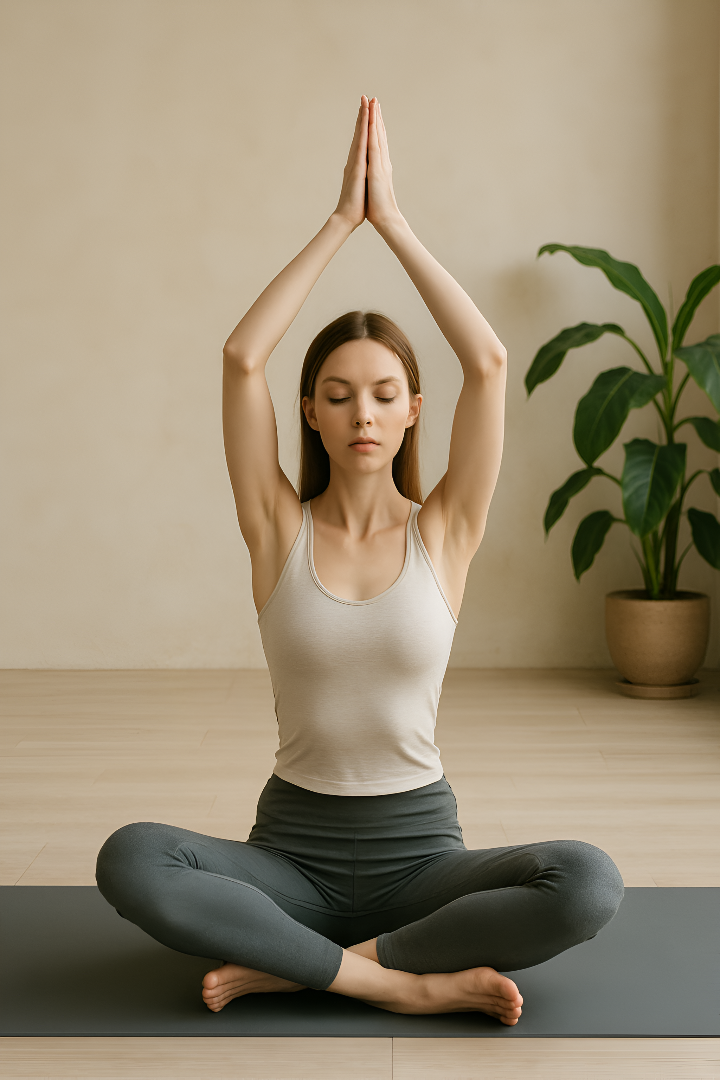
Padmasana is one of the most iconic yoga postures. Each foot rests on the opposite thigh, creating a stable, symmetrical foundation for meditation. The pose requires significant hip mobility and should be approached with patience and respect for the body's limits.
Quick Overview
Padmasana is the classical seated posture of yogic meditation. In this pose, each foot is placed on the opposite thigh with the soles turned upward, creating a locked and stable foundation. The symmetrical shape of Lotus Pose symbolizes balance, purity, and spiritual awakening. It is one of the most recognized yoga postures worldwide and has been depicted in yogic art for thousands of years.
Benefits of Padmasana
Deepens Hip Opening
The extreme external rotation of the hips provides a profound stretch to the hip joints and surrounding muscles.
Stabilizes the Lower Body
The locked position of the legs creates a firm, immovable base that supports long periods of sitting.
Encourages Spinal Lift
With the legs locked, the body naturally lifts through the spine, promoting upright posture.
Calms the Mind
The symmetry and stability of Lotus Pose create a sense of physical balance that supports mental stillness.
Supports Energy Flow
In yogic tradition, Padmasana is said to direct energy upward through the spine, supporting meditation and pranayama.
Body Focus
Deep external rotation stretches the hip rotators and groin
Flexed in a stable position with equal pressure on both sides
Lengthened upright with the natural curves supported
Placed securely on the opposite thigh with the sole facing upward
Tilted anteriorly to maintain the lumbar curve and support the torso
Who Should Practice Padmasana
Experienced Yoga Practitioners
Padmasana is best suited for those who have developed sufficient hip mobility through consistent practice.
Meditation Enthusiasts
The stability of Lotus Pose makes it excellent for extended meditation sessions once the body adapts.
Pranayama Practitioners
The upright, stable seat supports the diaphragmatic breathing required in advanced breathwork.
Who Should Avoid Padmasana
The deep external rotation places significant torque on the knee joints. Practicing with knee issues can cause serious injury.
Resting the foot on the thigh places pressure on the ankle joint. Strained or injured ankles should not be placed in this position.
Forcing the legs into Lotus before the hips are open can damage the knees. Practice preparatory poses first.
Preparation Tips
Warm up the hips thoroughly with Baddha Konasana, hip circles, and lizard lunge before attempting Padmasana
Practice Half Lotus (Ardha Padmasana) first — place only one foot on the opposite thigh
Never force the knees toward the floor — the movement comes from hip rotation, not knee pressure
Use a cushion to elevate the hips so the knees can drop below the pelvis
Step-by-Step Instructions
Begin in Dandasana
Sit with legs extended forward, spine long, and feet flexed. Ground through the sitting bones.
Bend the right knee and place the foot on the left thigh
Reach down with both hands, bend the right knee, and gently place the right foot high on the left thigh crease with the sole facing upward.
Bend the left knee and place the foot on the right thigh
Cross the left ankle over the right shin and guide the left foot onto the right thigh crease. The soles of both feet face upward.
Lengthen through the spine
Press the sitting bones into the floor and lift through the crown of the head. The spine should feel long and naturally curved.
Place the hands on the knees or in the lap
Rest the palms on the knees in Jñana Mudra or stack the hands in the lap with palms facing upward.
Relax the shoulders and soften the face
Roll the shoulders back and down. Soften the jaw, eyes, and forehead.
Breathe steadily and settle
Allow the breath to flow naturally. Use the stability of the pose to turn awareness inward.
Release gently and switch the leg cross
To release, slowly uncross the legs starting with the top leg. Shake out the legs and repeat with the opposite foot on top.
Breathing Guidance
In Padmasana, the stability of the lower body allows the breath to move freely in the torso. Inhale deeply, feeling the rib cage expand in all directions. Exhale fully, feeling the abdomen draw gently inward. The even rhythm of the breath supports the meditative quality of this pose.
Common Mistakes
Forcing the knees to the floor
Correction: The knees will lower naturally as hip mobility improves. Pressing them down can strain the knee ligaments.
Rounding the lower back
Correction: Elevate the hips on a cushion to allow the pelvis to tilt forward and the spine to lengthen.
Rushing from Half to Full Lotus
Correction: Practice Half Lotus consistently for weeks or months before attempting Full Lotus. The hip joints need time to open.
Placing the feet incorrectly
Correction: The feet should rest high in the thigh crease, not on the knee. Incorrect placement damages the knee joint.
Safety Precautions
Padmasana should feel stable and comfortable, not painful. Sharp pain in the knee is a sign to back off immediately.
Attempting Lotus Pose cold increases injury risk. Practice at least 10–15 minutes of hip-opening poses first.
Sitting on a folded blanket or cushion protects the knees and lower back by allowing the pelvis to tilt forward.
Variations & Modifications
Ardha Padmasana (Half Lotus)
IntermediatePlace only one foot on the opposite thigh while the other leg rests in a bent-knee position below.
Bound Lotus (Baddha Padmasana)
AdvancedIn Full Lotus, reach the arms behind the back and clasp the opposite big toes for a deeper shoulder opening.
Supported Lotus
IntermediatePlace folded blankets under the knees for support if they do not rest comfortably on the floor.
Related Asanas
Explore Related Categories
Frequently Asked Questions
इस विषय पर और जानें
महत्वपूर्ण विषयों पर वापस जाएं
Master Lotus Pose with Personal Guidance
Your first class is free. Talk to Gayatri and get personalized alignment cues for your practice.